
Cast Iron Chicken Thighs Recipe: Crispy, Juicy, Done in 30 Minutes
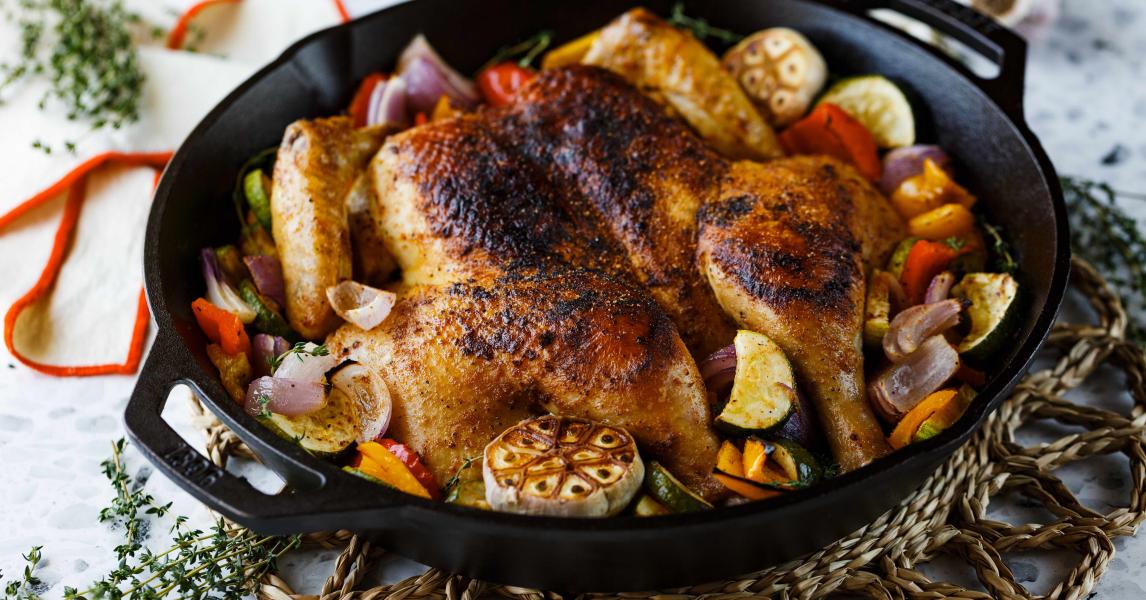
Image courtesy of TopFoodNews / Priya Nair
Affiliate disclosure: TopFoodNews may earn a commission if you buy through links on this page, at no extra cost to you. We only include products or sources that fit the story.
If you have a cast iron skillet and you are not making chicken thighs in it at least twice a month, you are leaving the best thing that pan can do on the table. This recipe is the reason serious home cooks reach for cast iron over anything else: a crispy, lacquered skin that requires no fussing, and a deeply seasoned interior that a nonstick pan cannot replicate.
The technique here matters more than the ingredient list. Get this right and you will never make chicken thighs any other way.
What You Need
4 to 6 bone-in, skin-on chicken thighs, 2 teaspoons kosher salt, 1 teaspoon black pepper, 1 teaspoon smoked paprika, 1 teaspoon garlic powder, 2 tablespoons neutral oil (avocado or grapeseed), 4 garlic cloves smashed, 4 sprigs fresh thyme, 2 tablespoons unsalted butter.
The Setup
Pat the chicken thighs completely dry with paper towels -- this is the most important step. Moisture is the enemy of crispy skin. Mix salt, pepper, paprika, and garlic powder, then season the thighs on both sides. Let them sit uncovered at room temperature for 30 minutes, or uncovered in the fridge overnight. The surface needs to be dry before it hits the pan.
The Cook
Preheat your cast iron skillet over medium-high heat for 3 minutes before adding anything. Add the oil and let it shimmer. Place the chicken skin-side down and do not touch it. Resist. The skin needs uninterrupted contact with the pan for 10 to 12 minutes to render the fat and get properly crispy. You will see the fat pooling around the edges -- that is correct.
Flip the thighs, reduce heat to medium, add the smashed garlic and thyme, and add the butter. Tilt the pan and baste the chicken with the melted butter every 60 seconds for 5 to 6 minutes. Internal temperature should hit 165F at the thickest part.
The Rest
Rest the chicken on a wire rack for 5 minutes before serving. Do not put it on a plate or the skin will steam and go soft. The wire rack keeps the skin exposed to air on all sides. Those 5 minutes are the difference between crispy and chewy.
The fond left in the pan makes a pan sauce in minutes -- deglaze with white wine or chicken broth, scrape up the browned bits, and finish with a knob of butter. Cast iron holds heat so well that the sauce comes together quickly off the heat.
Why Cast Iron
Nonstick pans cannot get hot enough consistently to properly render chicken skin. Stainless steel works but requires more oil management. Cast iron retains heat evenly, handles the oven if you need to finish it there, and builds flavor over time as the seasoning develops. This is the recipe that makes the pan earn its place on the stove permanently.
Shop the Tools
TopFoodNews may earn a small commission on purchases made through links on this page, at no extra cost to you.
The Cast Iron Setup
- Lodge 12-Inch Cast Iron Skillet - the only pan that builds a crust this good on chicken
- Cast Iron Press/Weight - press the chicken flat for maximum skin contact and crunch
As an Amazon Associate, TopFoodNews earns from qualifying purchases.
{
"@context": "https://schema.org",
"@type": "FAQPage",
"mainEntity": [
{
"@type": "Question",
"name": "How do I know when chicken is fully cooked",
"acceptedAnswer": {
"@type": "Answer",
"text": "Chicken is fully cooked when it reaches an internal temperature of 165u00b0F (74u00b0C). Use a meat thermometer inserted into the thickest part of the meat."
}
},
{
"@type": "Question",
"name": "Can I make this chicken recipe ahead of time",
"acceptedAnswer": {
"@type": "Answer",
"text": "Yes. Cook the chicken fully, let it cool, then store in an airtight container in the refrigerator for up to 3 days. Reheat in a 350u00b0F oven for 10-15 minutes."
}
},
{
"@type": "Question",
"name": "What sides go well with this chicken dish",
"acceptedAnswer": {
"@type": "Answer",
"text": "Roasted vegetables, mashed potatoes, steamed rice, or a simple green salad all pair well with this recipe."
}
}
]
}
{
"@context": "https://schema.org",
"@type": "Recipe",
"name": "Cast Iron Skillet Chicken Thighs",
"author": {
"@type": "Person",
"name": "Camille Torres"
},
"description": "How to make Cast Iron Skillet Chicken Thighs at home. Cast Iron Skillet Chicken Thighs recipe with step-by-step instructions.",
"image": "https://topfoodnews.com/wp-content/uploads/2026/04/lodge_chicken_skillet_v1.jpg",
"prepTime": "PT10M",
"cookTime": "PT25M",
"totalTime": "PT35M",
"recipeYield": "4 servings",
"recipeCategory": "Main Course",
"keywords": "cast iron chicken thighs, skillet chicken recipe, crispy skin chicken thighs",
"nutrition": {
"@type": "NutritionInformation",
"calories": "420 calories"
},
"recipeIngredient": [
"6 bone-in skin-on chicken thighs",
"2 tbsp olive oil",
"4 garlic cloves smashed",
"Fresh thyme and rosemary sprigs",
"1/2 cup chicken broth",
"Salt and pepper"
],
"recipeInstructions": [
{
"@type": "HowToStep",
"name": "Step 1",
"text": "Heat cast iron over medium-high heat until smoking."
},
{
"@type": "HowToStep",
"name": "Step 2",
"text": "Season chicken, place skin-side down. Press flat with another pan."
},
{
"@type": "HowToStep",
"name": "Step 3",
"text": "Cook 12-14 minutes without moving until skin is deeply golden and releases easily."
},
{
"@type": "HowToStep",
"name": "Step 4",
"text": "Flip, add garlic and herbs, add broth."
},
{
"@type": "HowToStep",
"name": "Step 5",
"text": "Finish in 400F oven for 10 minutes until cooked through."
}
]
}

Ingredients
- 4 to 6 bone-in, skin-on chicken thighs
- 2 teaspoons kosher salt
- 1 teaspoon black pepper
- 1 teaspoon smoked paprika
- 1 teaspoon garlic powder
- 2 tablespoons neutral oil (avocado or grapeseed)
- 4 garlic cloves, smashed
- 4 sprigs fresh thyme
- 2 tablespoons unsalted butter
Instructions
- The Setup: Pat chicken thighs completely dry. Mix salt, pepper, paprika, and garlic powder and season both sides. Rest at room temperature 30 minutes.
- The Cook: Preheat cast iron skillet over medium-high heat for 3 minutes. Add oil. Place thighs skin-side down and do not move them. Cook 8 to 10 minutes until skin is deeply golden and releases easily.
- Flip thighs. Add butter, garlic, and thyme. Baste continuously for 3 to 4 minutes.
- The Rest: Transfer to a 400F oven for 8 to 10 minutes until internal temp reaches 165F. Rest 5 minutes before serving.

in your inbox every week.


Helpful tools for this recipe
TopFoodNews may earn from qualifying purchases. These are practical kitchen staples that fit this kind of recipe, not random filler.
Affiliate disclosure: as an Amazon Associate, TopFoodNews earns from qualifying purchases.
Get weekly recipes + food deals
One quick TopFoodNews email with fresh recipes, grocery finds, fast-food drops, and kitchen shortcuts worth saving.