
Spicy Korean Gochujang Butter Noodles with Crispy Fried Shallots
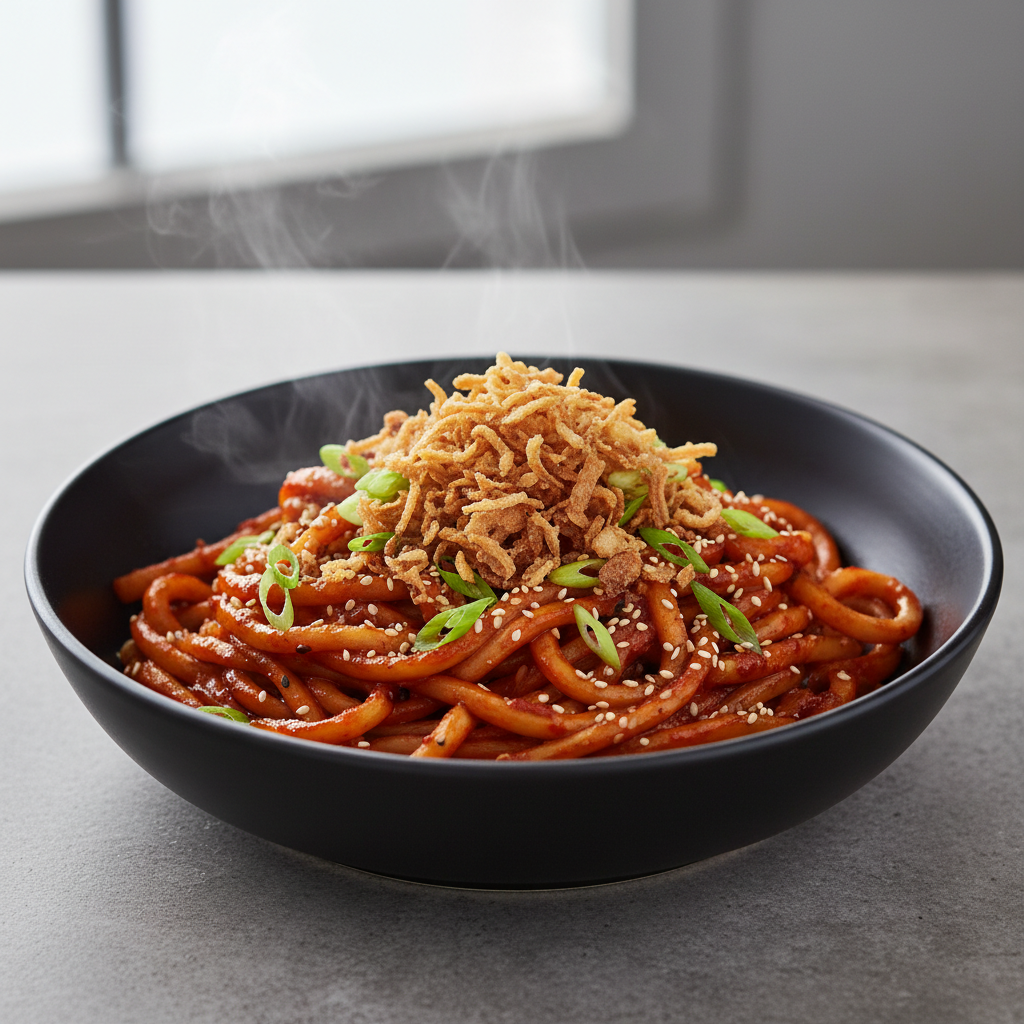
Spicy Korean Gochujang Butter Noodles with Crispy Fried Shallots: Why This Trending Dish Deserves a Spot on Your Weeknight Menu
If you're scrolling through TikTok or Instagram right now, you've probably seen some version of Korean-fusion noodle dishes dominating the feed. Gochujang - the fermented Korean red chili paste that's having a major moment - pairs incredibly with butter to create a sauce that's simultaneously rich, spicy, and deeply savory. Add crispy fried shallots on top, and you've got a dish that hits every textural note while looking Instagram-worthy enough to stop the scroll.
This isn't authentic Korean cuisine, and that's intentional. What we're making here is the kind of fusion dish that viral food culture has popularized: accessible, quick enough for a weeknight, and loaded with enough flavor complexity that it feels like a restaurant experience. The gochujang gives you heat and depth. The butter gives you richness and slight sweetness. The crispy shallots give you crunch. Together, they create something that tastes expensive and complicated but comes together in about 20 minutes flat.
The magic of this dish is in the balance. Gochujang can be intense on its own, but when you emulsify it into butter with a little honey and soy sauce, it mellows into something more sophisticated. The crispy shallots aren't just garnish - they're essential. They add contrast to the soft noodles and keep every bite interesting. If you don't have crispy shallots on hand, you can make them in the same pan you're cooking the noodles in, or grab them from your local Asian market's condiment section.
This recipe scales beautifully. Make it for two people on a Wednesday night, or multiply the ingredients and feed a crowd. It reheats well, though the shallots will soften - just make a fresh batch of crispy shallots if you're planning to eat it the next day. The noodles themselves actually improve overnight as the sauce continues to meld with the pasta.
What makes this so good is that it tastes like you spent an hour in the kitchen when you really spent 15 minutes. That's the real trend here.
INGREDIENTS
For the noodles and sauce:
- 1 pound fresh or dried ramen noodles (or spaghetti if you don't have ramen)
- 5 tablespoons unsalted butter
- 3 tablespoons gochujang paste
- 2 tablespoons honey or light brown sugar
- 2 tablespoons soy sauce or tamari
- 1 tablespoon rice vinegar
- 2 cloves garlic, minced
- 1 teaspoon sesame oil
- 1/2 cup vegetable broth or chicken broth
- 2 scallions, sliced on the bias
- 1 tablespoon toasted sesame seeds
- Flaked sea salt and cracked black pepper to taste
For the crispy shallots (or substitute store-bought):
- 3 large shallots, sliced into thin rings
- 1/2 cup neutral oil (vegetable or canola)
- 1/2 teaspoon flaked sea salt
Optional additions:
- Soft-boiled egg halves
- Nori strips
- Crushed peanuts
- Fresh cilantro
- Lime wedges
INSTRUCTIONS
Start by getting your water to a boil if you're using dried noodles. Salt the water generously - it should taste like the sea. While the water heats, make the crispy shallots if you're not using store-bought.
To make crispy shallots: Heat the oil in a small skillet over medium heat until it shimmers. Add the sliced shallots and cook, stirring occasionally, until they're deep golden brown. This takes about 10 to 12 minutes. Be patient - you want them crispy, not burned. Once golden, transfer them to a paper towel and sprinkle with salt immediately. Set aside.
Cook your noodles according to package directions until they're al dente - not mushy, not undercooked. Reserve one cup of pasta water before draining. The starch in that water is going to help create the sauce.
In a large bowl or the same pot you used for noodles, combine the gochujang, honey, soy sauce, rice vinegar, and minced garlic. Whisk until you have a smooth paste. This is your sauce base.
Add the butter to the bowl and stir until it starts to melt. Pour in about 3/4 cup of your reserved pasta water and whisk everything together until smooth and glossy. The sauce should look creamy and pourable. If it's too thick, add the remaining pasta water a tablespoon at a time until you get the consistency you want.
Stir in the sesame oil and a few grinds of black pepper. Taste the sauce now. You want it to be spicy but not overwhelming, with a nice balance of sweet, salty, and savory. Adjust the honey or soy sauce if needed.
Add the hot, drained noodles to the sauce and toss vigorously until every strand is coated. The residual heat will warm the sauce and help it cling to the noodles. This should take about a minute of constant tossing.
Divide the noodles between bowls. Top with crispy shallots, sliced scallions, toasted sesame seeds, and a pinch of flaked sea salt. Add any of your optional additions if you're using them.
Eat immediately while the noodles are hot and the shallots are still crispy. Squeeze of lime juice right before eating ties everything together beautifully.
COOKING AND TIMING TIPS
Prep time: 10 minutes
Cook time: 15 minutes
Total time: 25 minutes
Serves: 2 to 3 people as a main course, 4 as a side
This comes together fastest if you prep your ingredients before you start cooking. Slice the scallions, mince the garlic, and measure out your gochujang before the water boils. Once everything is prepped, the actual cooking is just noodles boiling and sauce mixing.
The crispy shallots are worth making from scratch, but absolutely use store-bought if you're short on time. Just grab them from an Asian market or the specialty section of your grocery store.
FLAVOR VARIATIONS AND SWAPS
If you can't find gochujang, try a blend of sriracha and miso paste in equal parts. It won't be identical, but it captures the spicy-salty-umami profile.
Prefer it less spicy Cut the gochujang to 2 tablespoons and add an extra tablespoon of honey or soy sauce for depth.
Want to make it a protein-forward dish Add soft-boiled eggs, shredded rotisserie chicken, or quick-seared shrimp. A handful of nori strips adds color and a briny note that complements the sauce.
Add a handful of snap peas, thinly sliced bell pepper, or shiitake mushrooms if you want vegetables. You can add them raw to the hot noodles and they'll just slightly soften, or quick sauté them in the skillet with the sauce.
WHY THIS RECIPE WORKS
Gochujang is the current darling of viral food culture because it delivers complexity without requiring technique. It's fermented, which means it has natural umami depth. It's spicy, which is always trending. And when you pair it with butter - something that appears in nearly every viral recipe right now - you get something that feels indulgent and restaurant-quality.
The pasta water is crucial here. That starchy water emulsifies with the butter and sauce to create something silky and elegant. It's the difference between a gloppy sauce and a glossy coating. Professional cooks know this trick, but it works for home cooking too.
The crispy shallots aren't optional. They're what elevates this from good to exceptional. That textural contrast, that slight sweetness from the caramelization, the way they catch the light in a bowl - they make this look as good as it tastes. This is the kind of detail that makes food content perform.
STORAGE AND REHEATING
Store leftovers in an airtight container in the refrigerator for up to three days. To reheat, add the noodles to a skillet with a splash of water or broth and warm over medium heat, stirring occasionally. They reheat beautifully.
The sauce can actually deepen in flavor overnight as everything melds together. Make fresh crispy shallots for serving to keep them crispy.
FINAL THOUGHTS
This recipe exists because food trends aren't arbitrary. Gochujang is trending because it's delicious. Butter-forward dishes are trending because richness and umami are universally appealing. Crispy shallots are trending because texture is everything in how we eat and enjoy food.
You don't have to understand the cultural significance or follow the feeds to enjoy this dish. You just need a pantry with basic ingredients and about 20 minutes. That's why this is going to be on your table next week, and the week after that.

Ingredients
- 1 pound fresh or dried ramen noodles
- 5 tablespoons unsalted butter
- 3 tablespoons gochujang paste
- 2 tablespoons honey or light brown sugar
- 2 tablespoons soy sauce or tamari
- 1 tablespoon rice vinegar
- 2 cloves garlic, minced
- 1 teaspoon sesame oil
- 1/2 cup vegetable broth or chicken broth
- 2 scallions, sliced on the bias
- 1 tablespoon toasted sesame seeds
- 1/4 teaspoon flaked sea salt
- 1/4 teaspoon cracked black pepper
- 3 large shallots, sliced into thin rings
- 1/2 cup neutral oil
Instructions
- Start by getting your water to a boil if you are using dried noodles. Salt the water generously.
- Heat the oil in a small skillet over medium heat until it shimmers. Add the sliced shallots and cook, stirring occasionally, until deep golden brown, about 10-12 minutes.
- Cook your noodles according to package directions until al dente. Reserve one cup of pasta water before draining.
- In a large bowl combine the gochujang, honey, soy sauce, rice vinegar, and minced garlic. Whisk until smooth.
- Add the butter to the bowl and stir until it starts to melt. Pour in about 3/4 cup of reserved pasta water and whisk together until smooth and glossy.
- Stir in the sesame oil and black pepper. Taste and adjust honey or soy sauce as needed.
- Add the hot drained noodles to the sauce and toss vigorously until every strand is coated.
- Divide the noodles between bowls. Top with crispy shallots, sliced scallions, toasted sesame seeds, and flaked sea salt.
in your inbox every week.
Helpful tools for this recipe
TopFoodNews may earn from qualifying purchases. These are practical kitchen staples that fit this kind of recipe, not random filler.
Affiliate disclosure: as an Amazon Associate, TopFoodNews earns from qualifying purchases.
Get weekly recipes + food deals
One quick TopFoodNews email with fresh recipes, grocery finds, fast-food drops, and kitchen shortcuts worth saving.