Biscoff Is Everywhere This Spring. Here Is Why the Obsession Makes Total Sense.
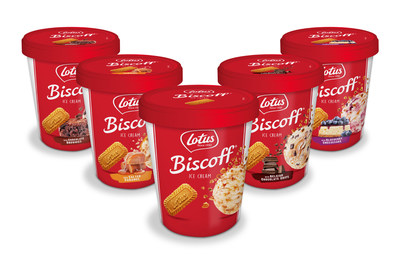
Image courtesy of Lotus Biscoff
Biscoff is in everything this spring. Lattes, overnight oats, cheesecakes, pancake syrups, cookie butter smoothies - the spread and the cookies behind it have crossed from specialty import to mainstream pantry staple in a way that snuck up on most people. Here is why the obsession makes sense and why it is not going anywhere.
What Biscoff Actually Is
Biscoff cookies are Belgian speculoos - a spiced shortcrust biscuit flavored with cinnamon, ginger, nutmeg, cloves, and cardamom, baked until they are thin, crispy, and caramelized. Lotus Bakeries has been producing them since 1932. Most Americans first encountered them as the cookie airlines serve with coffee. That association, it turns out, created extremely strong nostalgia-flavored brand loyalty.
Biscoff Cookie Butter is the spread version: the cookies pulverized into a paste with some added fat. The result tastes like if peanut butter and graham crackers had a child that was raised on warm spices. It is simultaneously familiar and unlike anything else.
Why It Spread Beyond the Cookie
The flavor profile of Biscoff transfers remarkably well to other applications. The warm spices work in both hot and cold contexts. The caramel notes complement dairy - cream cheese, whipped cream, yogurt - in a way that feels natural rather than forced. It is sweet without being one-note because the spices add complexity that plain caramel or vanilla flavoring does not have.
The TikTok food community found it, documented it, and replicated it in every format imaginable over the past two years. The 2-ingredient Biscoff cheesecake alone has millions of views across platforms. When a single ingredient anchors that many viral recipes, it stops being a trend and starts being a staple.
Where It Shows Up Now
Starbucks has run Biscoff-inspired drinks in multiple seasonal windows. Coffee shops across the country carry Biscoff syrup as a standard flavoring option. Grocery stores stock the spread next to the peanut butter rather than in the international aisle where it used to live. It has fully crossed over.
The most interesting applications are in savory-adjacent contexts: Biscoff as a crust for cheesecake, as a base for a glaze on roasted carrots, as a layer in a morning grain bowl. The spice profile is versatile enough to work outside the obvious dessert lane, and that versatility is part of what keeps it interesting past the initial hype cycle.
Is It Overhyped
No. The obsession makes sense. The flavor is genuinely distinctive, the applications are wide, and the quality is consistent because the product has been made the same way for nearly a century. If you have not cooked with Biscoff Cookie Butter yet, start with the overnight cheesecake. It will make the obsession immediately clear.
Why It's Not Going Anywhere
Biscoff has done what few imported snack brands manage - it crossed over from airline novelty to mainstream grocery staple without losing its identity. The flavor is specific enough to feel special but versatile enough to work in almost anything sweet. That's a hard balance to hit. Expect to see it in more menus, more recipes, and more viral moments throughout 2026.
{
"@context": "https://schema.org",
"@type": "FAQPage",
"mainEntity": [
{
"@type": "Question",
"name": "Where can I find the latest food deals and promotions",
"acceptedAnswer": {
"@type": "Answer",
"text": "TopFoodNews covers the latest food deals, promotions, and limited-time offers from major restaurant chains and food brands. Bookmark topfoodnews.com for daily updates."
}
},
{
"@type": "Question",
"name": "How long do restaurant promotions typically last",
"acceptedAnswer": {
"@type": "Answer",
"text": "Most restaurant promotions run for 1-4 weeks. Limited-time offers often end without notice, so it's best to take advantage of deals as soon as you see them."
}
},
{
"@type": "Question",
"name": "How do I find out about new food news first",
"acceptedAnswer": {
"@type": "Answer",
"text": "Subscribe to the TopFoodNews newsletter at topfoodnews.com/newsletter for daily food news, deals, and recipe drops delivered to your inbox."
}
}
]
}

in your inbox every week.